
The Flowers and Aromas of Hawaiʻi: Beauty, Meaning, and the Spirit of Aloha
When many people think of Hawaiʻi, they imagine warm trade winds carrying the fragrance of tropical flowers through the air. The islands are filled with beautiful blossoms, many of which hold deep cultural meaning and are woven into everyday life, celebrations, lei making, and cherished memories.
Growing up in Hawaiʻi, I posted about it here, I remember the scent of flowers drifting through the air, leis made with love, and the connection these plants created between people, nature, and the spirit of aloha. Each flower tells a story and carries its own symbolism.
Plumeria (Melia) – The Flower of Aloha
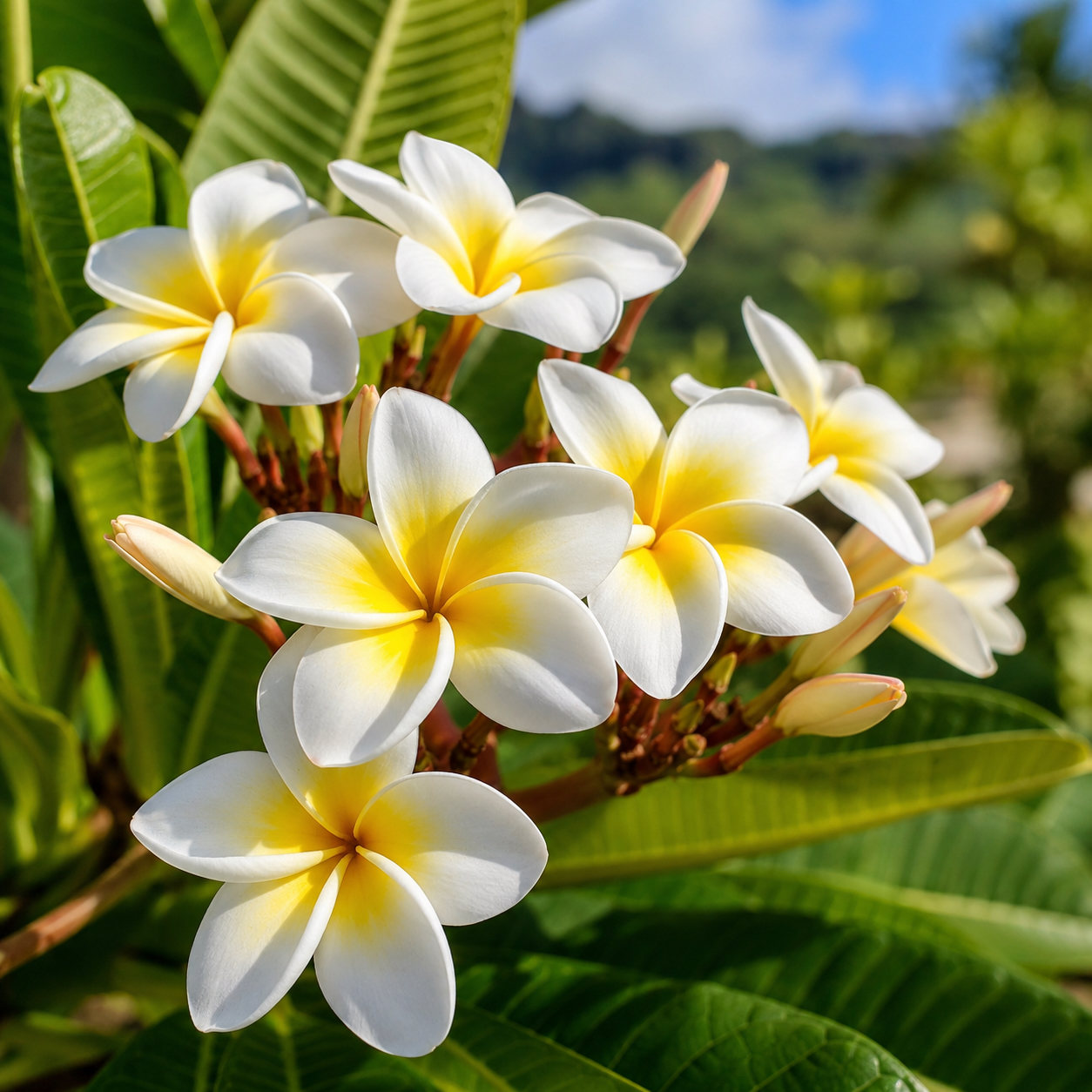
Known in Hawaiʻi as Melia, plumeria is one of the most recognized flowers of the islands. Its sweet, tropical fragrance is often associated with warm Hawaiian evenings and welcoming leis.
Plumeria is often called the Flower of Aloha, symbolizing:
- Love
- Hospitality
- Friendship
- New beginnings
- The welcoming spirit of Hawaiʻi
Traditionally worn behind the ear, a plumeria blossom can even communicate relationship status—behind the left ear traditionally signifies a person is in a relationship, while behind the right ear may indicate they are single.
Its fragrance is rich, creamy, floral, and uplifting, making it one of the most beloved scents in Hawaiian culture.
Pikake – The Flower of Romance
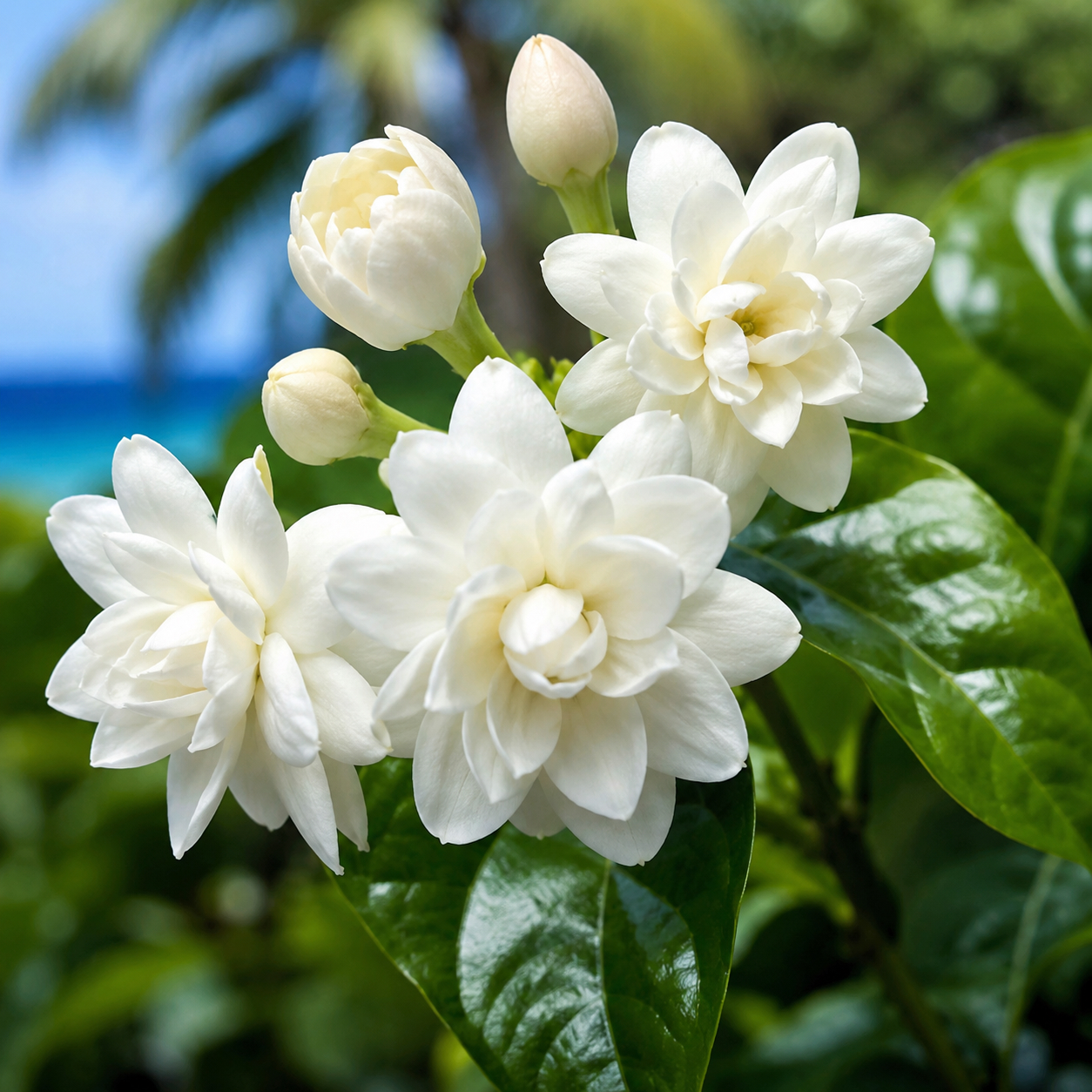
Pikake is a variety of jasmine introduced to Hawaiʻi in the 1800s and quickly became a favorite flower for leis.
The name “Pikake” means peacock in Hawaiian and was reportedly inspired by Princess Kaʻiulani’s love of peacocks.
Pikake symbolizes:
- Romance
- Love
- Beauty
- Grace
Its aroma is intensely floral, sweet, and intoxicating, especially in the evening when the blossoms release their strongest fragrance. Pikake leis are often given as expressions of affection and are popular for weddings and special occasions.
Stephanotis – The Hawaiian Wedding Flower
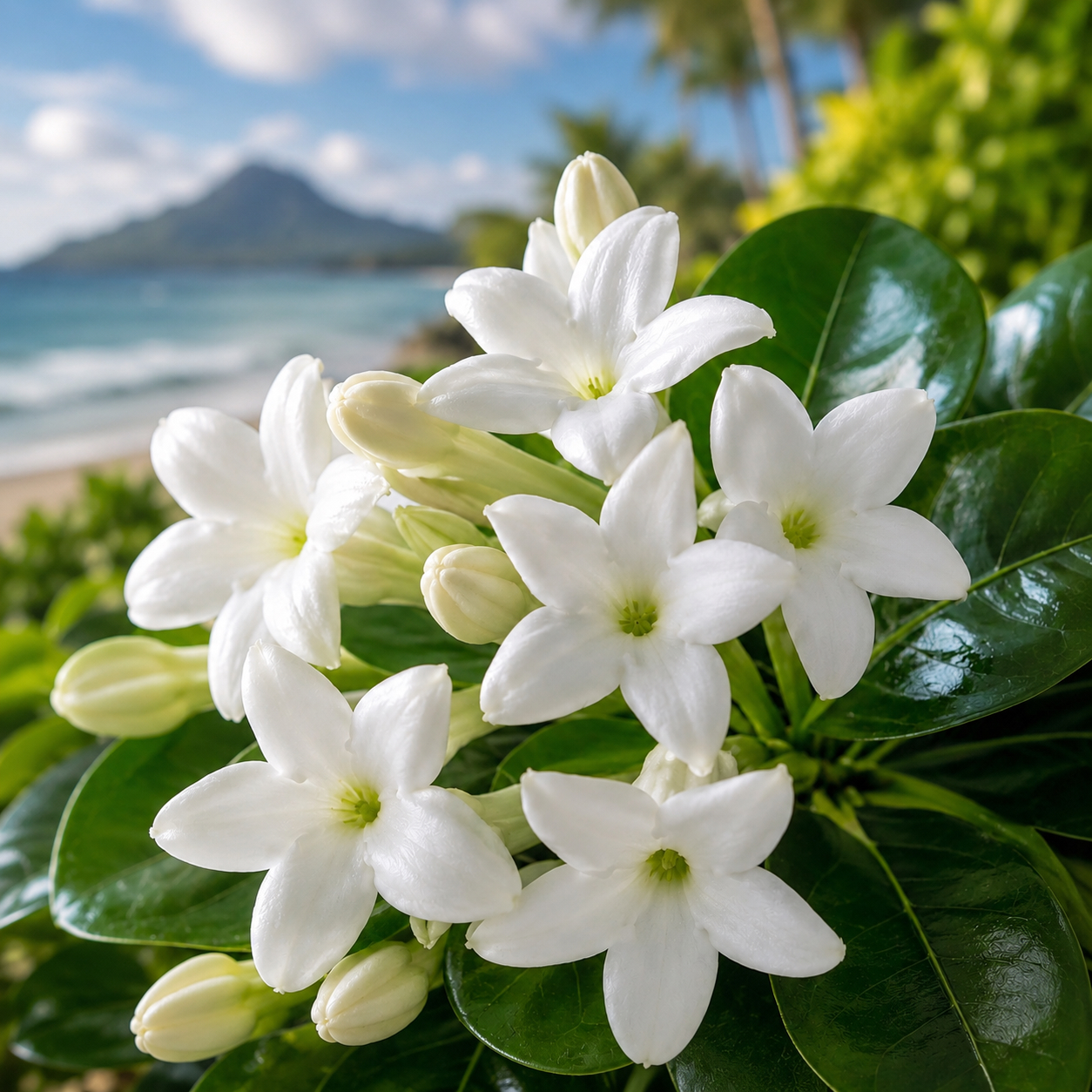
Stephanotis is often referred to as the Hawaiian Wedding Flower because of its popularity in bridal bouquets and wedding leis.
Its symbolism includes:
- Marital happiness
- Good fortune
- Commitment
- Everlasting love
The pure white star-shaped blossoms represent purity and devotion. Their fragrance is soft, sweet, and elegant, making them a timeless flower for celebrations of love.
Hibiscus (Pua Aloalo) – Hawaiʻi’s State Flower
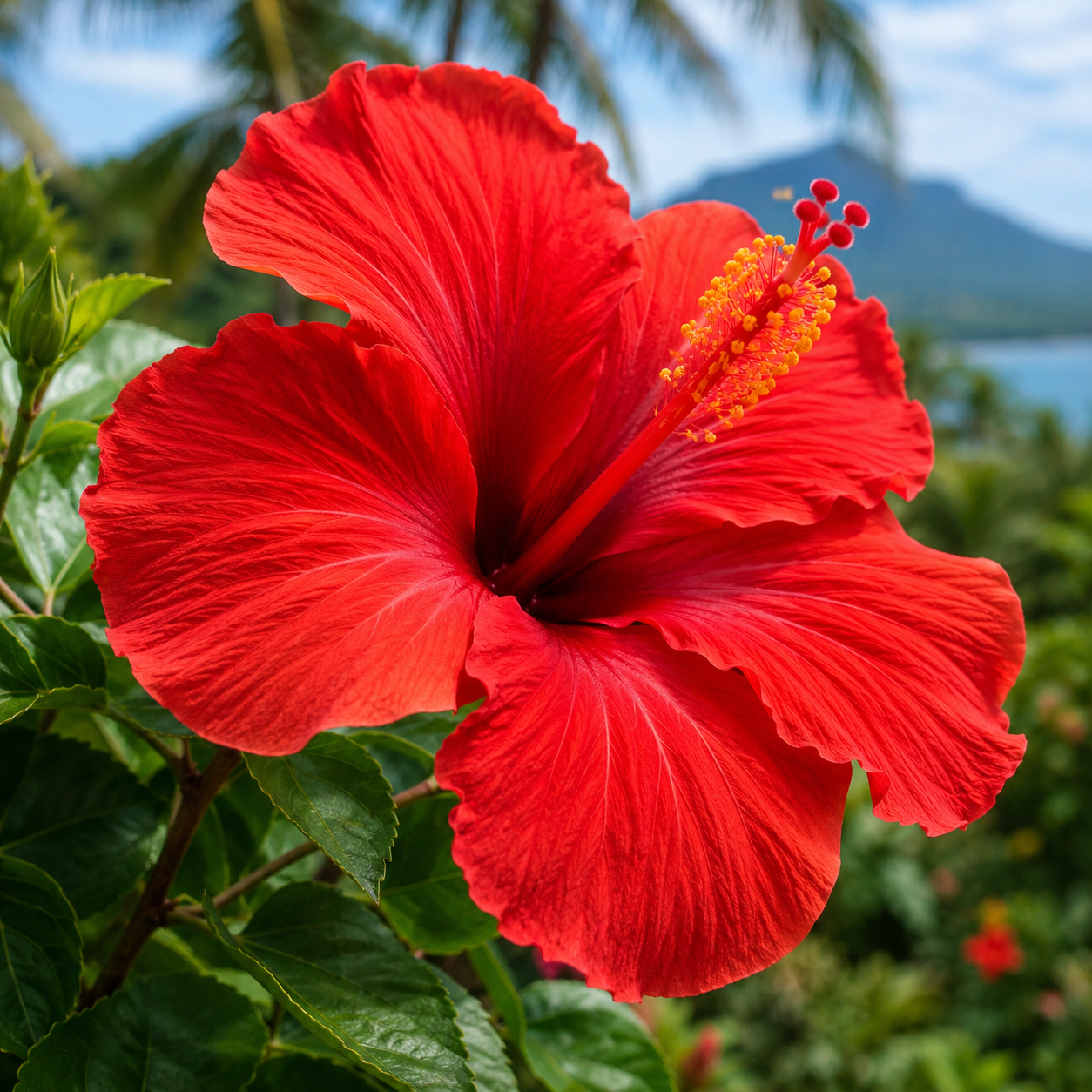
The yellow hibiscus is the official state flower of Hawaiʻi. Known as Pua Aloalo, hibiscus flowers are seen throughout the islands in gardens, landscapes, and artwork.
Hibiscus symbolizes:
- Beauty
- Joy
- Delicate strength
- Living in the present moment
Because many hibiscus blossoms last only a single day, they remind us to appreciate life’s fleeting beauty and to fully embrace each moment.
While most hibiscus flowers have little fragrance, their vibrant colors make them one of Hawaiʻi’s most recognizable blooms.
Hawaiian Sandalwood (‘Iliahi)
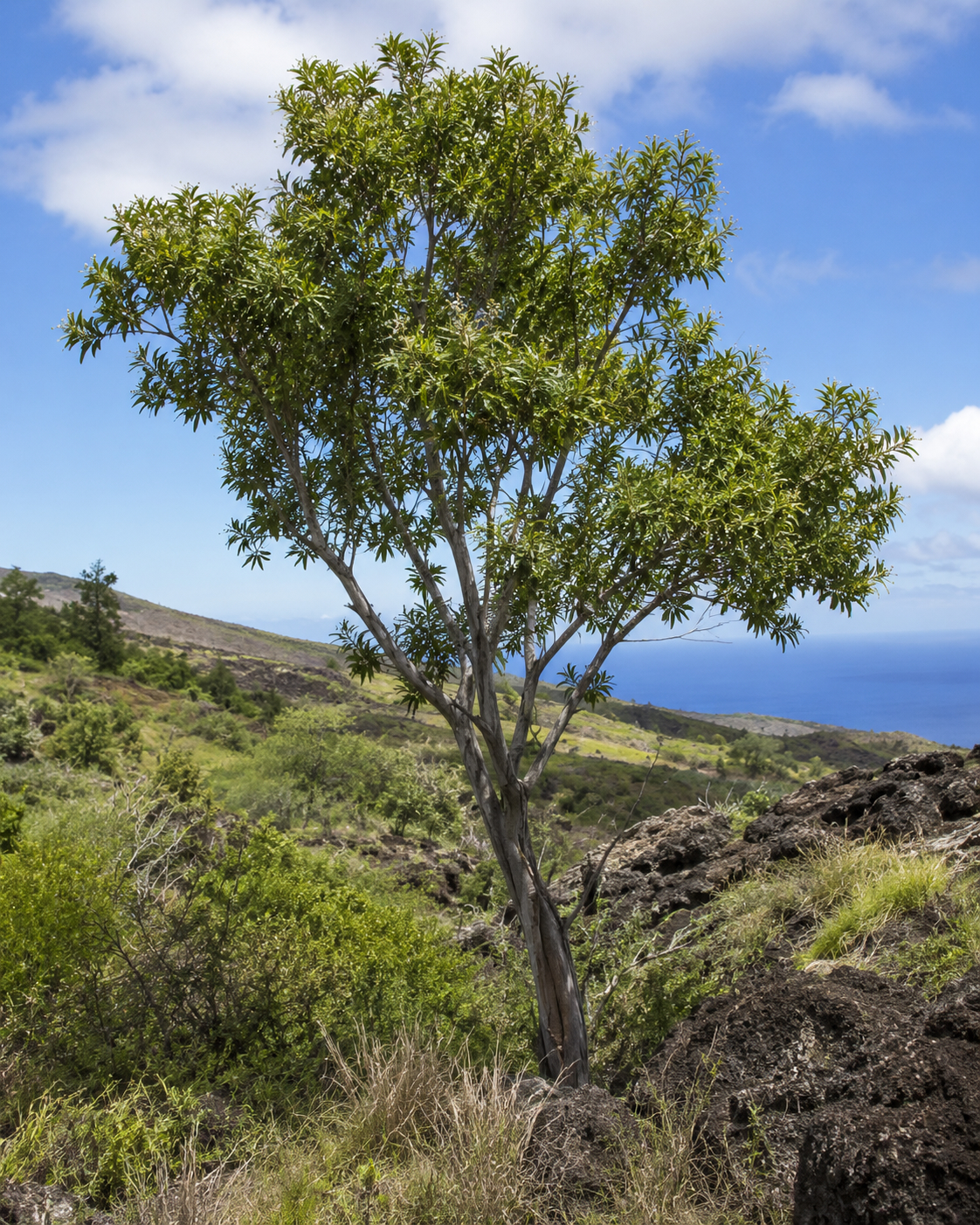
Known as ʻIliahi, Hawaiian sandalwood has been treasured for centuries. Historically it was one of Hawaiʻi’s most valuable exports and was highly sought after throughout the world.
ʻIliahi symbolizes:
- Spiritual connection
- Wisdom
- Grounding
- Inner peace
Its aroma is warm, creamy, woody, and deeply calming. Hawaiian sandalwood has long been used in traditional practices, meditation, and personal rituals because of its soothing and centering qualities.
Lilikoi (Passion Fruit)
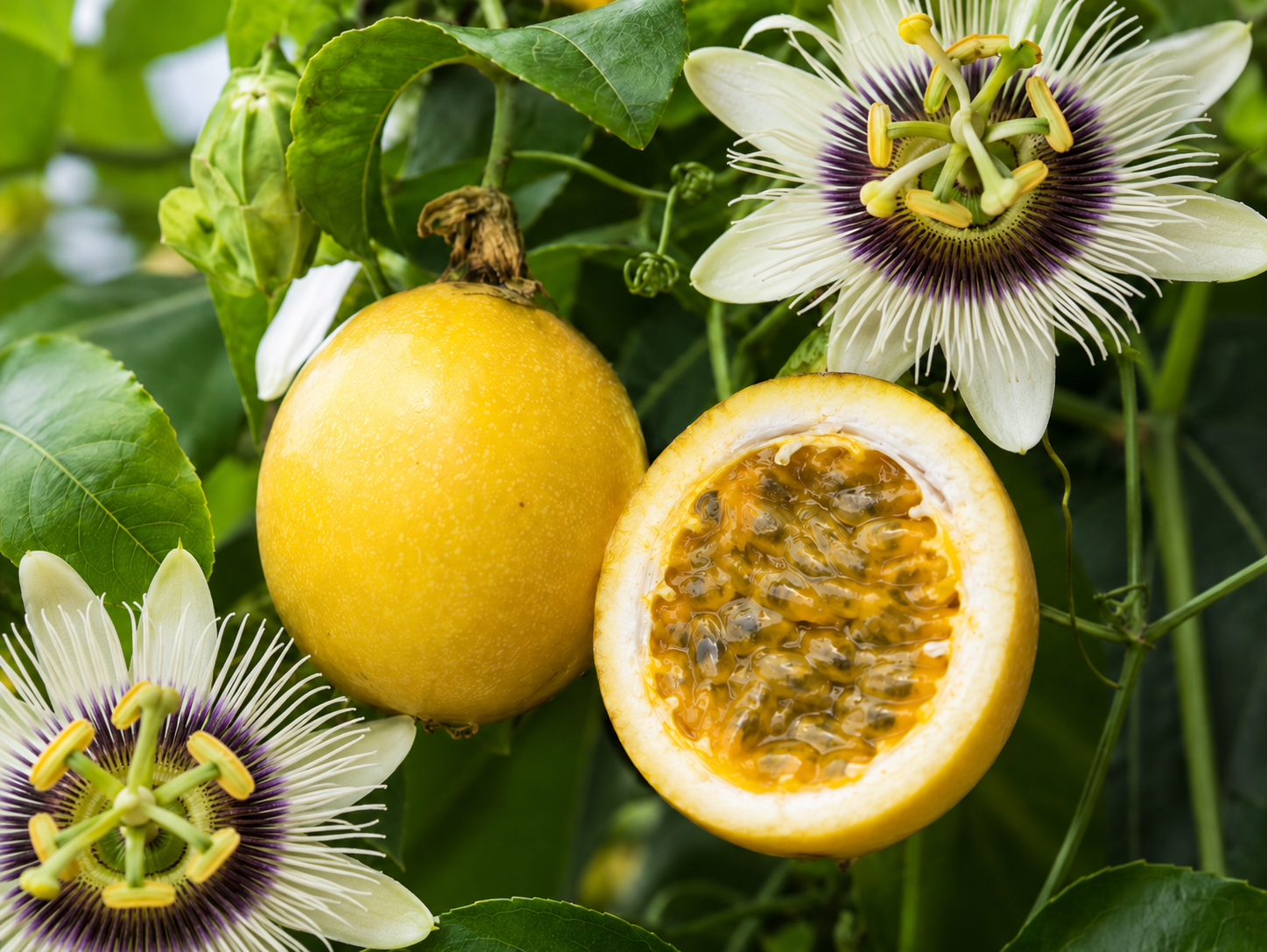
Lilikoi, Hawaiʻi’s beloved passion fruit, produces striking flowers and delicious tropical fruit.
Lilikoi symbolizes:
- Vitality
- Abundance
- Joy
- Creativity
Its fragrance is fruity, bright, and uplifting. The fruit is used in everything from desserts and syrups to beverages, making it one of Hawaiʻi’s most cherished flavors.
Pakalana – The Fragrant Night-Blooming Vine
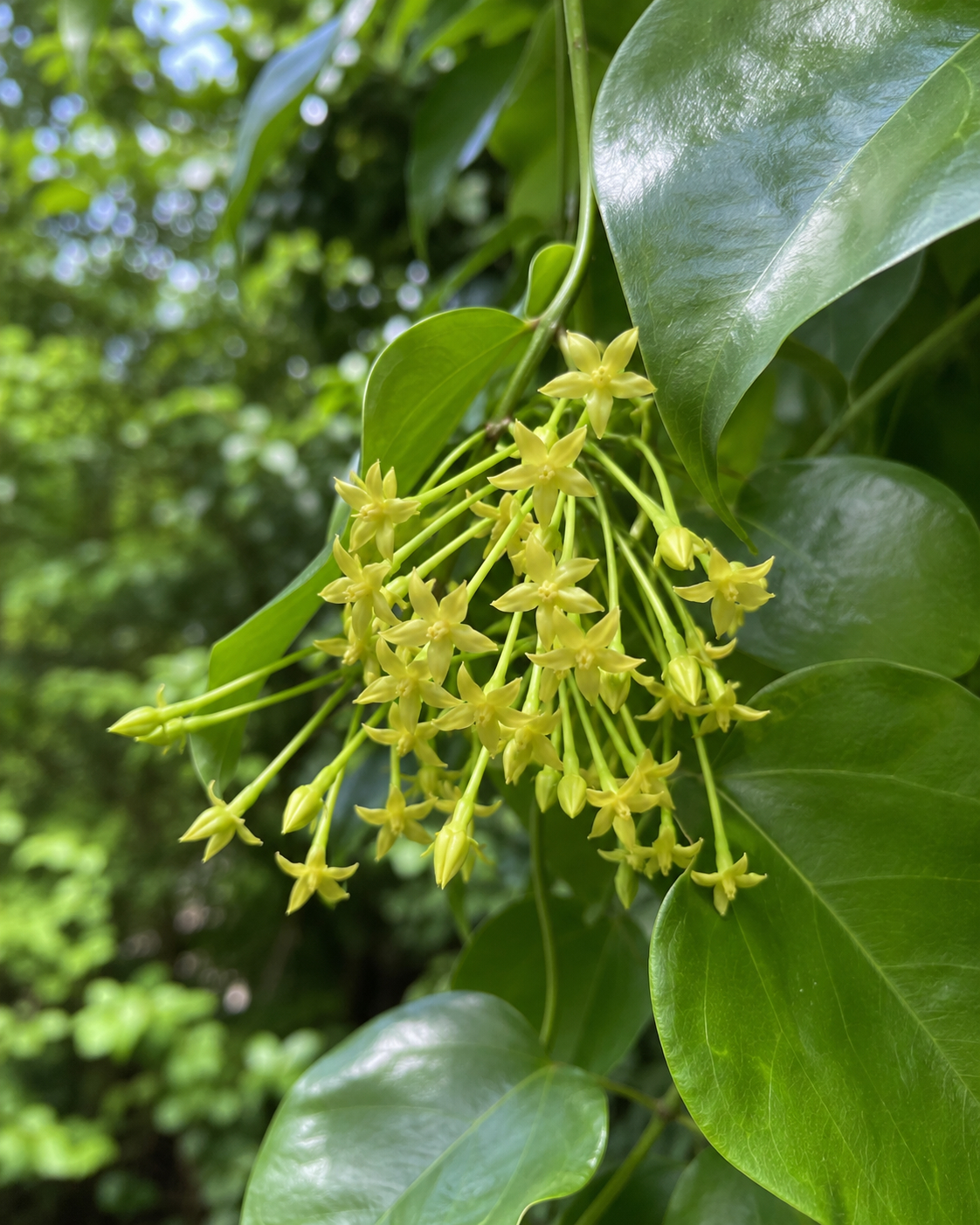
Pakalana is one of Hawaiʻi’s most treasured lei flowers. The vine produces clusters of small blossoms with an extraordinarily rich fragrance.
Pakalana symbolizes:
- Affection
- Generosity
- Hospitality
- Cherished memories
Its scent becomes stronger as the flowers mature, filling the evening air with a sweet, honey-like aroma. Pakalana leis are highly prized and often reserved for special occasions.
Ginger (Awapuhi and Ornamental Gingers)
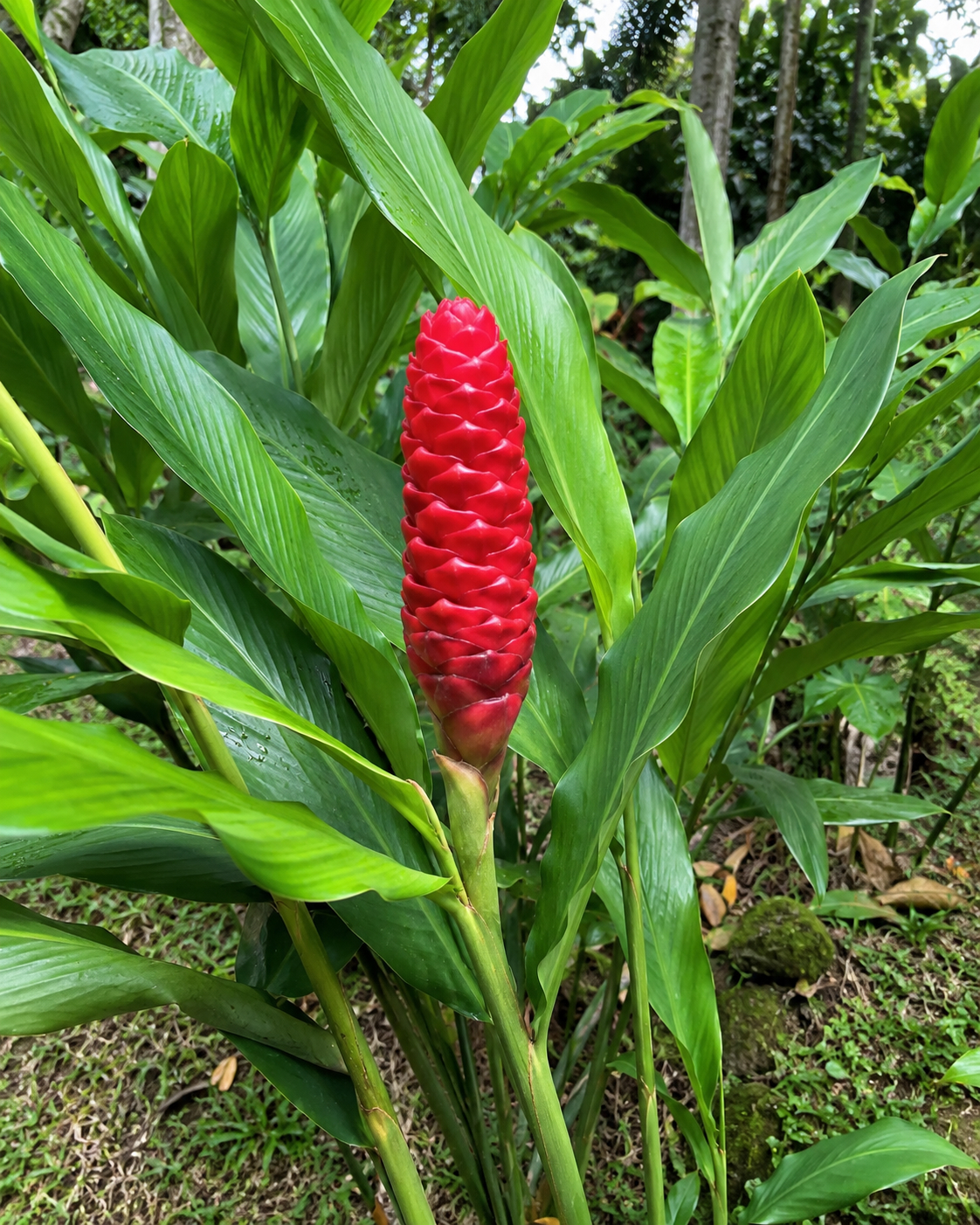
Ginger plants thrive throughout Hawaiʻi and are admired for both their beauty and fragrance.
Depending on the variety, ginger symbolizes:
- Prosperity
- Strength
- Healing
- Protection
Awapuhi (shampoo ginger) has long been valued in Hawaiʻi for its traditional uses. Many ginger flowers release a spicy-sweet aroma that instantly evokes the tropical beauty of the islands.
Their vibrant blooms bring dramatic color to gardens while their fragrances add another layer of sensory richness to the Hawaiian landscape.
Bringing the Aromas of Hawaiʻi into Skin and Hair Care
The flowers and botanicals of Hawaiʻi have long inspired artisans, perfumers, and cosmetic formulators. Their beautiful aromas can be incorporated into skin care, body care, and hair care products to create products that evoke the spirit of the islands.
Imagine a collection inspired by Hawaiʻi:
- Melia (Plumeria) Body Oil – a tropical floral blend that captures the warmth and hospitality of aloha.
- Pikake Facial Oil or Body Butter – romantic and elegant, with a luxurious floral aroma.
- Stephanotis Bridal Body Care Collection – designed for weddings and special occasions with soft, delicate floral notes.
- Hibiscus Hair Mask or Hair Oil – inspired by Hawaiʻi’s state flower and the vibrant beauty of the islands.
- ʻIliahi (Hawaiian Sandalwood) Facial Serum – grounding, calming, and sophisticated with warm woody notes.
- Lilikoi Body Cream or Sugar Scrub – bright, fruity, and uplifting with a tropical twist.
- Pakalana Perfume Oil or Body Lotion – rich and floral with a memorable fragrance.
- Awapuhi Hair Care Collection – inspired by traditional Hawaiian hair care practices and tropical botanicals.
When creating a Hawaiian-inspired product line, the goal is not only to capture the scent of the islands but also the feelings they evoke, relaxation, beauty, connection, joy, and aloha. Fragrance can transport us to a memory, a place, or a moment in time, making it one of the most powerful elements in cosmetic formulation.
Many formulators create entire collections centered around these Hawaiian aromas, incorporating floral waters, botanical extracts, natural fragrance oils, essential oils, infused oils, and plant-derived ingredients to tell a story through their products. A thoughtfully designed Hawaiian-inspired skin or hair care line can offer customers a sensory journey that celebrates the beauty, culture, and natural treasures of the islands.
Learn to Create Your Own Hawaiian-Inspired Cosmetic Line
If you dream of creating skin care, body care, or hair care products inspired by the flowers and aromas of Hawaiʻi, cosmetic formulation gives you the tools to bring those ideas to life. From tropical body oils and floral facial serums to botanical hair treatments and luxurious body butters, learning the art and science of formulation allows you to transform inspiration from nature into professional products.
At Joan Morais Cosmetics School and The Formulators LAB, students learn how to formulate natural skin care, body care, and hair care products while developing the skills needed to create unique product collections inspired by plants, flowers, traditions, and cultures from around the world. A single flower, aroma, or memory can become the inspiration for an entire product line.
The Fragrance of Aloha
The flowers and plants of Hawaiʻi are more than beautiful blossoms and pleasant aromas. They carry stories, traditions, memories, and cultural significance that have been passed through generations.
Whether it is the welcoming fragrance of melia, the romance of pikake, the devotion of stephanotis, the vibrant beauty of hibiscus, the grounding aroma of ʻiliahi, the joyful sweetness of lilikoi, the rich perfume of pakalana, or the healing spirit of ginger, each plant reflects a unique aspect of Hawaiʻi.
Together they create a sensory experience that embodies the islands’ most cherished value: Aloha, love, kindness, compassion, connection, and respect for all living things.
You might also like